
 🦋What Is Lupus? A Complete Guide to Causes, Symptoms & Treatment:
Meta Title: What Is Lupus? Causes, Symptoms, Types, and Treatment Explained
Meta Description: Learn what lupus is, its symptoms, causes, and how it’s treated. Discover the differences between lupus types and how to manage this autoimmune disease.
What is Lupus?
🩺 Introduction
Lupus is a chronic?” autoimmune disease that affects millions worldwide, especially women between ages 15 and 45. You may have heard it referred to as “the great imitator” because its symptoms mimic many other diseases. One of the most common questions searched online is, “What is lupus— and here is everything you need to know in a clear, medically accurate, and easy-to-understand format.
What is Lupus?
Lupus, or Systemic Lupus Erythematosus (SLE), is a long-term autoimmune condition where the body’s immune system mistakenly attacks healthy tissues, causing widespread inflammation and damage.
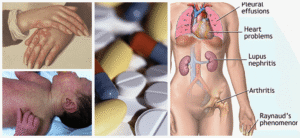
Unlike localized autoimmune diseases (like Hashimoto’s thyroiditis), lupus can affect multiple organ systems, including:
- Skin
- Joints
- Kidneys
- Brain
- Lungs
- Heart
- Blood cells
🔍 Is Lupus Contagious or Inherited?
- e: Lupus can run in families, but having a family member with lupus doesn’t guarantee you’ll develop it.
📊 Types of Lupus
| Type | Description |
|---|---|
| Systemic Lupus (SLE) | Most common and severe; affects organs and body systems |
| Cutaneous Lupus | Affects the skin; includes discoid lupus and subacute cutaneous lupus |
| Drug-Induced Lupus | Temporary lupus-like symptoms triggered by certain medications |
| Neonatal Lupus | Rare and occurs in infants of mothers with lupus-related antibodies |
⚠️ Most Common Symptoms of Lupus
🌐 These symptoms are frequently searched online: “butterfly rash”, “joint pain in lupus”, and “fatigue and lupus”
- Persistent fatigue
- Butterfly-shaped rash across cheeks and nose
- Joint pain or swelling
- Photosensitivity (sensitivity to sunlight)
- Fever
- Hair loss
- Mouth ulcers
- Kidney problems (lupus nephritis)
- Chest pain or shortness of breath
Note: Lupus symptoms often flare up and subside unpredictably, making diagnosis and management complex.
🧪 What Causes Lupus?
The exact cause remains unknown, but experts believe it’s due to a combination of genetic, environmental, and hormonal factors.
Contributing Factors:
- 🧬 Genetics
- 🦠 Viral infections (e.g., Epstein-Barr virus)
- 💊 Certain medications
- 🌞 UV light exposure
- 👩🦰 Hormonal changes (more common in women)
🧫 How Is Lupus Diagnosed?
There is no single test for lupus. Diagnosis is based on:
- Medical history
- Physical examination
- Blood tests (ANA test, anti-dsDNA, CBC)
- Urine tests (to detect kidney involvement)
- Imaging (if organ damage is suspected)
🩸 Most common test: Antinuclear Antibody (ANA) — positive in nearly 95% of people with lupus.
💊 Lupus Treatment Options
Lupus is not curable, but it is manageable with proper treatment.
Medications:
| Drug Type | Purpose |
|---|---|
| NSAIDs | Relieve joint pain and inflammation |
| Corticosteroids | Reduce immune response |
| Antimalarials | Like hydroxychloroquine for skin/joint symptoms |
| Immunosuppressants | For severe lupus or organ involvement |
| Biologics | Targeted therapies for difficult cases |
🛑 Self-medication is dangerous. Always follow a rheumatologist’s treatment plan.
🧘♀️ Lifestyle Tips for Managing Lupus
- 🥗 Eat an anti-inflammatory diet (rich in omega-3s, vegetables, lean protein)
- 🧴 Use sun protection (SPF 50+)
- 💤 Get adequate rest
- 🧘♀️ Manage stress with yoga or meditation
- 🛑 Avoid smoking and alcohol
- 📅 Regular doctor visits to monitor flares and organ health
👩⚕️ When Should You See a Doctor?
You should consult a healthcare provider if you experience:
- A persistent unexplained rash
- Chronic fatigue
- Joint swelling
- Mouth ulcers
- A history of autoimmune diseases in your family
Early diagnosis leads to better outcomes and reduces the risk of serious complications.
📌 Conclusion: Know the Signs, Get Diagnosed Early
Lupus is a complex, chronic autoimmune condition that requires lifelong management. While it can affect multiple body systems, early diagnosis, medical care, and lifestyle adjustments can help people with lupus live long, fulfilling lives.
📚 Sources and References
- Lupus Foundation of America
- Mayo Clinic
- American College of Rheumatology
- CDC – Autoimmune Disease Info
Keywords :
- “Autoimmune disease symptoms”
- “Butterfly rash lupus”
- “Can lupus be cured?”
- “Early signs of lupus in females”
- “Lupus flare symptoms”