
 Migraine in Young Adults:
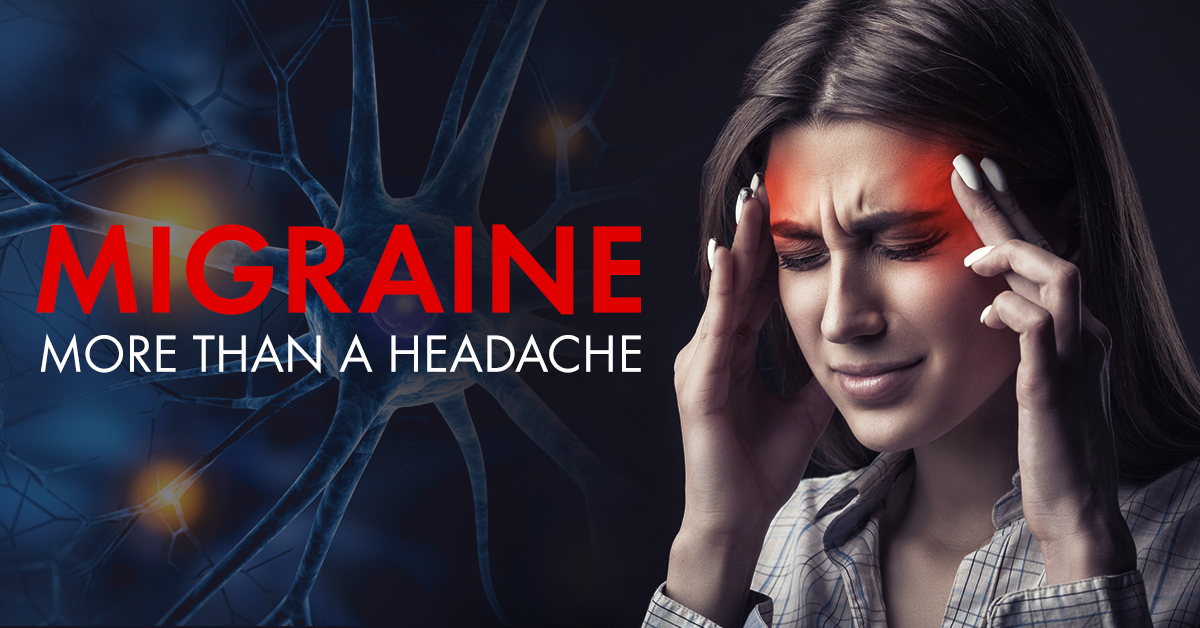
Migraine is more than just a headache—it’s a complex neurological condition that affects millions worldwide, including a growing number of teenagers and young adults. While it was traditionally more common in middle-aged individuals, recent years have seen a striking increase in migraine cases among people as young as 15–30 years old. Why is this happening, and what can be done?
🔍 What is Migraine?
Migraine is a neurovascular disorder characterized by recurrent, moderate to severe headaches often accompanied by other neurological symptoms. It can be episodic (fewer than 15 days a month) or chronic (15 or more days a month).
 🚨 Common Signs & Symptoms
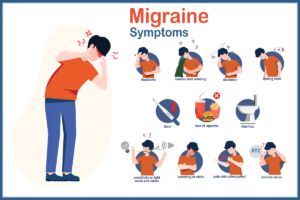
- Throbbing or pulsating headache, usually on one side
- Sensitivity to light (photophobia) and sound (phonophobia)
- Aura (in some cases): visual disturbances, such as flashing lights or blind spots
- Fatigue and irritability
- Neck stiffness
Symptoms can last from 4 to 72 hours, and severity varies between individuals.
 🧬 Why Is Migraine Increasing in the Younger Population?
Several lifestyle and environmental factors have contributed to this trend:
- Screen Overuse: Excessive use of smartphones, tablets, and computers causes eye strain and disrupts sleep patterns.
- Sleep Irregularities: Poor sleep hygiene and late-night screen exposure disturb circadian rhythms.
- Academic and Social Stress: Pressure to excel academically, social comparisons on social media, and unstable routines increase mental stress.
- Diet and Dehydration: Skipping meals, caffeine overuse, and poor hydration are known migraine triggers.
- Hormonal Changes: Puberty and early hormonal fluctuations, especially in females, increase susceptibility.
- Genetic Factors: A family history of migraine significantly raises the risk.
- Environmental Triggers: Loud noise, bright lights, or weather changes can provoke migraine episodes.
💊 Management and Treatment
1. Acute Medications (Taken During an Attack)
- NSAIDs: Ibuprofen, Naproxen
- Triptans: Sumatriptan, Rizatriptan
- Anti-nausea drugs: Metoclopramide, Domperidone
2. Preventive Medications (For Frequent Migraines)
- Beta-blockers: Propranolol
- Antidepressants: Amitriptyline
- Anti-seizure drugs: Topiramate, Valproate
- CGRP inhibitors: Erenumab, Fremanezumab (newer class of drugs)
⚙️ Non-Pharmacological Strategies
- Lifestyle Modifications: Regular sleep, exercise, and hydration
- Dietary Management: Avoiding known triggers like chocolate, aged cheese, and processed meats
- Stress Reduction: Mindfulness, yoga, and cognitive-behavioral therapy (CBT)
- Avoiding screen exposure before bedtime
🔄 When to See a Doctor?
Consult a healthcare provider if:
- Headaches are frequent and interfere with daily life
- OTC painkillers no longer help
- Symptoms change or worsen over time
- You experience aura for the first time
📝 Final Thoughts
Migraine in early age is becoming increasingly prevalent due to lifestyle changes, stress, and environmental factors. Early recognition, proper diagnosis, and a combination of medications and lifestyle adjustments can significantly reduce frequency and severity. Awareness is key—if you or someone you know suffers from frequent headaches, don’t ignore the signs.
🔖 Stay Informed. Stay Healthy.
Written by Shanzy Malik | Medical Student & Health Writer