
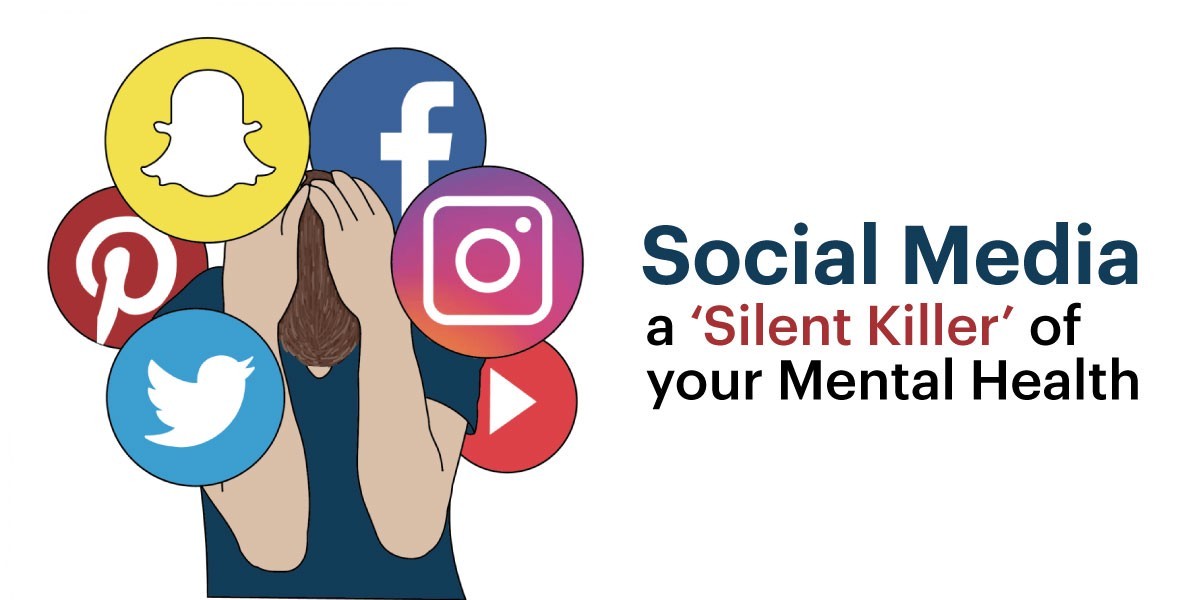

Effect of Social Media on Mental Health
The digital revolution has redefined how we communicate, work, and live. With smartphones in our hands and the internet at our fingertips, we’re more connected than ever before. However, this hyper connectivity has introduced new psychological challenges. Mental health, once shaped primarily by social, environmental, and genetic factors, is now heavily influenced by our digital behaviors.
In this article, we explore how the digital age is shaping mental health, both positively and negatively, and provide practical guidance for maintaining psychological well-being in a tech-driven world.
1. The Impact of Digital Technology on Mental Health
a. Social Media and Self-Perception
Social media platforms, while enabling global connection, often create a distorted reality. The constant exposure to curated content, filtered lifestyles, and perceived perfection can lead to:
- Low self-esteem
- Body image concerns
- Social comparison
- Fear of missing out (FOMO)
Numerous studies have linked excessive social media use to anxiety, depression, and loneliness—particularly among adolescents and young adults.
b. Information Overload and Decision Fatigue
The 24/7 access to information can overwhelm the brain’s processing capacity. Constant notifications, emails, and news updates contribute to chronic stress and decision fatigue. Over time, this can impair concentration, productivity, and emotional regulation.
c. Digital Addiction and Behavioral Health
Compulsive internet use, particularly gaming, streaming, or doom-scrolling, has been associated with behavioral addictions. This may disrupt sleep patterns, impair interpersonal relationships, and lead to neglect of personal responsibilities and physical health.
 2. The Positive Potential of Digital Tools
Despite the challenges, digital technologies offer unprecedented opportunities for improving mental health.
a. Telepsychiatry and Virtual Counseling
The rise of telehealth has bridged gaps in mental healthcare accessibility. Online therapy platforms allow individuals to seek help confidentially, conveniently, and affordably.
b. Mental Health Apps
From meditation guides like Headspace to mood trackers and CBT-based tools, digital apps empower users to actively manage their mental health and develop resilience through self-awareness and skill-building.
c. Online Support Communities
Virtual peer support groups provide safe spaces for sharing experiences, reducing stigma, and promoting healing for those facing mental health conditions.
 3. Strategies for Protecting Mental Health in the Digital Era
Maintaining mental health in a tech-driven world requires conscious effort and digital mindfulness. Here are evidence-based strategies:
a. Set Digital Boundaries
- Limit screen time using app controls or timers
- Unplug during meals and before bedtime
- Designate tech-free zones at home
b. Curate Your Digital Diet
- Follow uplifting and educational content
- Unfollow accounts that trigger negative emotions
- Fact-check information to avoid misinformation anxiety
c. Prioritize Real-Life Interactions
Human connection remains vital for emotional well-being. Make time for face-to-face conversations, outdoor activities, and hobbies that nourish the mind and body.
d. Practice Digital Detox
Periodic disconnection helps reset the nervous system. Whether it’s a few hours daily or a full weekend, offline time can restore balance and mental clarity.
4. The Role of Healthcare Professionals and Educators
As the digital age continues to evolve, healthcare providers must adapt their approaches. Screening for digital habits should be integrated into mental health assessments. Additionally, schools and universities should incorporate digital literacy and emotional intelligence training to help young people develop healthy online behaviors.
Conclusion
The digital age is not inherently harmful to mental health, but the way we engage with technology plays a critical role. By fostering awareness, promoting digital balance, and embracing the positive aspects of tech innovation, we can thrive mentally in a connected world.
Let’s shift the narrative from digital dependence to digital empowerment—where technology serves our well-being rather than undermining it.
Call to Action for Your Readers
If you found this article insightful, consider sharing it with someone who might benefit. For more evidence-based content on health and wellness, follow our blog and stay updated on how to live a healthier, happier life—digitally and beyond.