
🔎 What Causes High Blood Pressure? Understanding Hypertension and Its Risk Factors
Meta Title: What Causes High Blood Pressure? | Hypertension Explained
Meta Description: Discover what causes high blood pressure, its common risk factors, and how to manage hypertension effectively with medical and lifestyle strategies.
Causes of High Blood Pressure:
🩺 Introduction
High blood pressure, medically known as hypertension, is one of the most commonly searched health issues globally. According to the World Health Organization (WHO), it affects over 1.28 billion adults worldwide, yet many are unaware of it until complications arise.
This article answers the question: “What causes high blood pressure?” — offering medically accurate information, prevention tips, and lifestyle recommendations.
💓 What Is High Blood Pressure (Hypertension)?
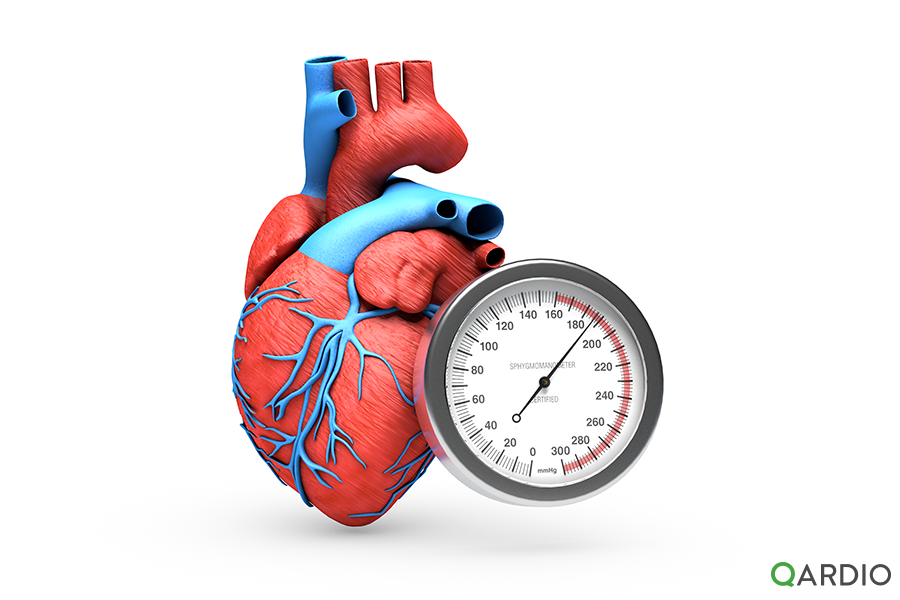
Blood pressure is the force of blood pushing against your artery walls. It’s measured using two numbers:
- Systolic pressure: the top number — pressure during heartbeats
- Diastolic pressure: the bottom number — pressure between heartbeats
📍 Normal BP: Less than 120/80 mmHg
⚠️ High BP (Hypertension): 130/80 mmHg or higher (based on ACC/AHA guidelines)
What Causes High Blood Pressure?
Hypertension is classified into two main types:
🔹 1. Primary (Essential) Hypertension
- Develops gradually over time
- No single identifiable cause
- Influenced by genetics, aging, and lifestyle factors
🔹 2. Secondary Hypertension
- Caused by underlying medical conditions
- Often appears suddenly and with higher readings
- Can be reversed if the root cause is treated
⚠️ Top Risk Factors for High Blood Pressure
| Risk Factor | Explanation |
|---|---|
| Poor diet (high sodium) | Too much salt increases fluid retention → raises blood pressure |
| Lack of exercise | Leads to weight gain and weakens the heart |
| Obesity/Overweight | Increases strain on arteries and heart |
| Stress | Causes temporary spikes in BP; chronic stress worsens it |
| Smoking | Narrows blood vessels and hardens arteries |
| Excess alcohol | Raises systolic pressure and damages blood vessels |
| Family history | Genetics can predispose individuals to hypertension |
| Kidney disease | Impaired kidneys can’t regulate blood pressure effectively |
| Sleep apnea | Interruptions in breathing can raise nighttime BP significantly |
| Hormonal disorders | Thyroid issues, adrenal tumors can contribute to high BP |
🧪 Symptoms of High Blood Pressure
Hypertension is often called the “silent killer” because it usually has no obvious symptoms until damage has occurred. However, in severe cases, people may experience:
- Headaches
- Blurred vision
- Nosebleeds
- Shortness of breath
- Chest pain
🛑 Important: Many individuals discover hypertension only after a heart attack, stroke, or organ damage. Regular BP monitoring is essential.
💊 How Is High Blood Pressure Diagnosed?
- Blood pressure readings taken on different days and settings
- Ambulatory 24-hour BP monitoring (if needed)
- Blood and urine tests (to check for secondary causes)
- ECG or echocardiogram (if heart involvement is suspected)
🛡️ How to Prevent or Manage High Blood Pressure
🥗 Lifestyle Changes
- Eat a DASH diet (Dietary Approaches to Stop Hypertension)
- Reduce sodium intake (less than 2,300 mg/day)
- Get 30 minutes of exercise daily (walking, cycling, swimming)
- Maintain a healthy weight
- Limit alcohol (1 drink/day for women, 2 for men)
- Quit smoking
- Manage stress through mindfulness or therapy
- Sleep 7–8 hours regularly
💊 Medical Treatments
When lifestyle changes are not enough, doctors may prescribe:
- ACE inhibitors (e.g., lisinopril)
- Beta-blockers (e.g., atenolol)
- Diuretics (e.g., hydrochlorothiazide)
- Calcium channel blockers (e.g., amlodipine)
Note: Treatment is highly individualized based on age, comorbidities, and BP level.
🧠 Frequently Asked Questions (FAQ)
❓ Can stress alone cause high blood pressure?
Yes, chronic stress can raise BP over time, especially when combined with poor lifestyle choices.
❓ Is high blood pressure reversible?
Primary hypertension can be managed, not cured. Secondary hypertension may improve or resolve when the root cause is treated.
❓ What’s the best time to check blood pressure?
Early morning and evening, while relaxed and seated, are considered ideal.
📌 Conclusion
High blood pressure is largely preventable and controllable. Understanding its causes — from lifestyle habits to medical conditions — empowers individuals to take action before serious complications develop. Through regular screening, lifestyle changes, and medical treatment, hypertension can be effectively managed for a longer, healthier life.
📚 Trusted References
- World Health Organization (WHO) – Hypertension Facts
- American Heart Association – Blood Pressure Guidelines
- Mayo Clinic – High Blood Pressure Overview
- National Heart, Lung, and Blood Institute (NHLBI)