
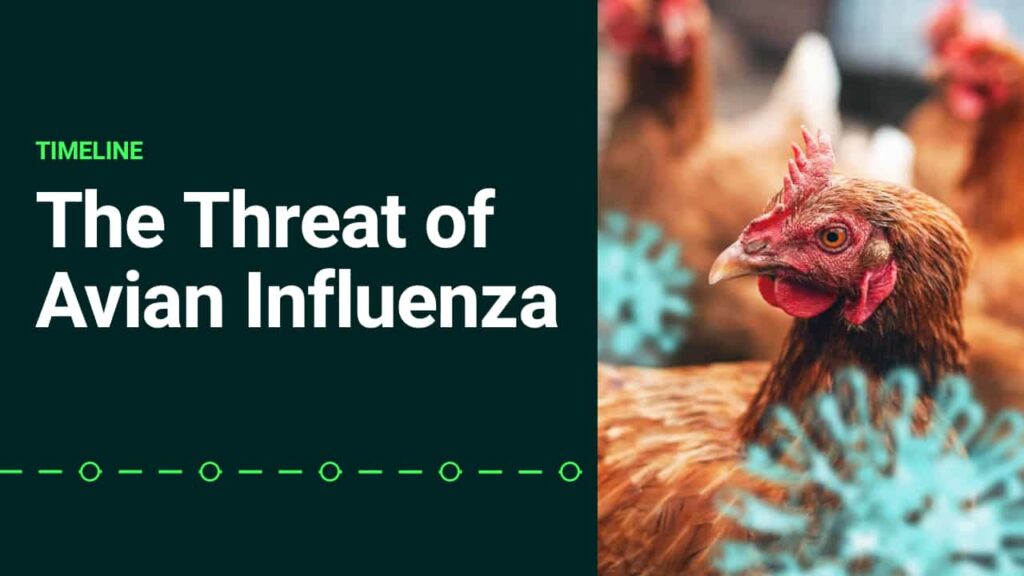
 Bird Flu:
🦠 Is the Avian Influenza Threat Real?
Meta Title: Bird Flu 2025 – Symptoms, Human Risk & Prevention Explained
Meta Description: Learn everything about the 2025 bird flu surge—how it spreads, symptoms in humans, risk of a pandemic, and what health authorities recommend for prevention.
🐔 What is Bird Flu (Avian Influenza)?
Bird flu, scientifically known as avian influenza, is a viral infection that primarily affects wild birds and poultry. However, in rare but concerning cases, it can cross species barriers, infecting humans and causing severe respiratory illness.
The most notorious strain in 2025 is H5N1, known for its high mortality rate in both birds and humans. Several new outbreaks have reignited global health concerns—particularly in the United States, Europe, and Southeast Asia.
⚠️ Why is Bird Flu Back in the Headlines in 2025?
Recent events have propelled bird flu into the global spotlight:
- U.S. dairy farms reported cross-species transmission of the virus in cattle and farm workers.
- Clusters of human cases with suspected mild-to-moderate symptoms have emerged in parts of Asia.
- WHO and CDC issued surveillance alerts regarding possible zoonotic spillover.
🔬 Can Bird Flu Infect Humans?
Yes — but it’s rare. Human infections occur mainly through direct or prolonged contact with infected birds, their feces, secretions, or contaminated environments. It is not currently spreading efficiently between humans, but mutations in the virus could change that.
Key concern: If the virus mutates to enable human-to-human transmission, it could ignite a new pandemic—much like COVID-19.
🧬 How Bird Flu Spreads (Transmission Pathways)
Bird to human transmission:
- Handling sick or dead birds
- Exposure to infected bird droppings or secretions
- Visiting live poultry markets
- Consuming undercooked poultry or eggs
Human-to-human transmission:
- Rare, but closely monitored. No sustained community spread has been confirmed in 2025.
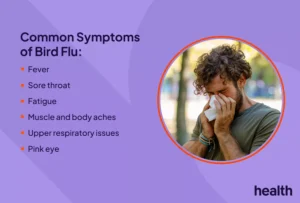 🧍♂️ Bird Flu Symptoms in Humans
Bird flu symptoms resemble those of seasonal flu but often worsen quickly. Early recognition can be life-saving.
🩺 Common Symptoms:
- High-grade fever (often >102°F / 39°C)
- Cough or sore throat
- Shortness of breath
- Headache and body aches
- Fatigue
- Diarrhea or vomiting (sometimes)
⚠️ Severe Complications:
- Viral pneumonia
- Acute respiratory distress syndrome (ARDS)
- Organ failure
- Death (especially in untreated H5N1 cases)
🧪 Diagnosis and Testing
If bird flu is suspected, healthcare providers will request:
- Nasal/throat swabs for RT-PCR testing
- Chest X-ray or CT scan if respiratory symptoms escalate
- Complete blood count and inflammatory markers
Prompt reporting to local public health departments is essential to contain spread.
 💊 Treatment of Bird Flu
There is no specific cure, but early antiviral treatment can reduce severity and complications.
Recommended Antivirals:
- Oseltamivir (Tamiflu) – most effective within 48 hours of symptom onset
- Zanamivir – inhaled antiviral used in some resistant strains
Supportive care includes:
- Hydration and rest
- Oxygen support in critical cases
- Hospitalization for high-risk patients
🛡️ How to Prevent Bird Flu in 2025
✅ Practical Tips for the Public:
- Avoid handling live or dead birds
- Do not visit poultry farms or wet markets unnecessarily
- Cook poultry and eggs thoroughly (internal temp ≥ 165°F / 74°C)
- Wash hands frequently with soap or alcohol-based sanitizer
- Wear masks and gloves when cleaning bird habitats
🧑⚕️ For Healthcare Workers:
- Use PPE when handling suspected patients
- Isolate infected individuals
- Report to local health authorities
💉 Vaccination:
- No licensed human vaccine is available for H5N1 yet.
- However, several candidates are in clinical trials, and emergency stockpiles exist.
🌍 Global Health Response in 2025
Organizations like the WHO, CDC, and FAO are monitoring outbreaks closely. International collaboration is underway to:
- Track viral mutations
- Prevent zoonotic transmission
- Develop a scalable vaccine in case of pandemic risk
📊 Is Bird Flu the Next Pandemic?
As of now, bird flu does not pose the same level of threat as COVID-19, but experts warn against complacency. Its mutation potential, animal-human transmission capability, and high fatality rate in confirmed cases make it a virus of concern.
📌 Final Thoughts
Bird flu in 2025 is a real but manageable threat—especially if we stay informed and proactive. Whether you’re a student, parent, health professional, or traveler, awareness and hygiene are your first lines of protection.
📚 References:
- Centers for Disease Control and Prevention (CDC)
- World Health Organization (WHO) – Avian Influenza
- National Institute of Allergy and Infectious Diseases (NIAID)