Cholesterol Management:
🩺 Introduction:
With rising cardiovascular risks and changing dietary habits worldwide, cholesterol management has emerged as one of the most Googled health topics in the USA and globally. Terms like “how to lower cholesterol,” “cholesterol-lowering foods,” and “good vs bad cholesterol” reflect public concern and awareness. As a future medical professional, it’s essential to understand not just the physiology, but also the preventive, lifestyle-based, and pharmacological interventions that matter today.
🧬 What is Cholesterol?
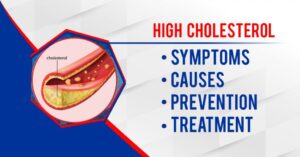
Cholesterol is a waxy, fat-like substance found in every cell of the body. It is essential for the synthesis of hormones, vitamin D, and bile acids. However, excess levels — particularly of Low-Density Lipoprotein (LDL) — can lead to atherosclerosis, increasing the risk of heart attacks and strokes.
🧪 Types of Cholesterol:
- LDL (Low-Density Lipoprotein): “Bad” cholesterol — leads to plaque buildup in arteries.
- HDL (High-Density Lipoprotein): “Good” cholesterol — helps remove LDL from the bloodstream.
- Triglycerides: A type of fat linked to higher risk of heart disease when elevated.
⚠️ Why Is High Cholesterol Dangerous?
- Accelerates coronary artery disease
- Increases risk for ischemic stroke
- Contributes to metabolic syndrome
- Worsens insulin resistance in type 2 diabetes
🔍 Top Searched Questions (2025 Google Trends)
- “How can I lower LDL naturally?”
- “What are the best foods to lower cholesterol?”
- “Does walking reduce cholesterol?”
- “Are statins safe?”
- “What are triglycerides and how to reduce them?”
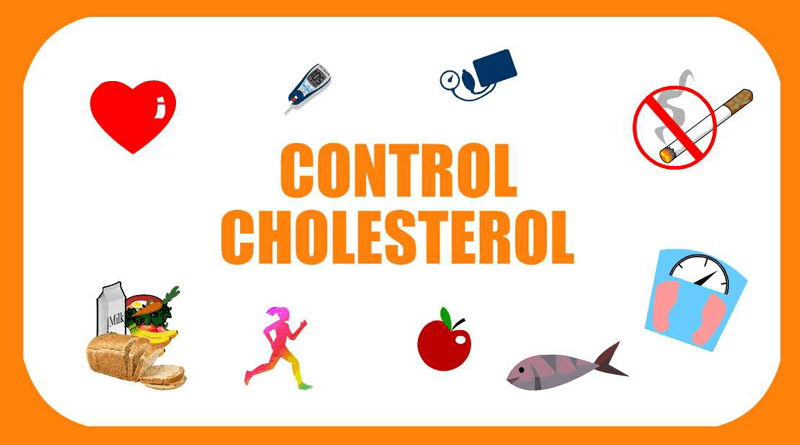
🍽️ Dietary Management – First Line Approach
Nutrition plays a pivotal role in lowering cholesterol, often reducing the need for medications.
✅ Best Foods for Lowering Cholesterol:
- Oats & barley: High in soluble fiber which traps cholesterol
- Fatty fish (salmon, sardines): Rich in omega-3 fatty acids
- Nuts (almonds, walnuts): Source of unsaturated fats
- Avocados & olive oil: Increase HDL, lower LDL
- Legumes: High in protein and fiber, promote satiety and lipid control
❌ Foods to Limit or Avoid:
- Saturated fats (red meat, full-fat dairy)
- Trans fats (found in processed snacks, margarine)
- Refined sugars (linked to increased triglycerides)
- Excess alcohol
🧘♀️ Lifestyle Modifications
1. Physical Activity
- Minimum 150 minutes of moderate-intensity aerobic exercise per week (e.g., brisk walking, swimming)
- Enhances HDL and helps control weight and blood sugar
2. Weight Loss
- Losing 5-10% of body weight significantly lowers cholesterol levels
3. Quit Smoking
- Increases HDL, improves circulation, and reduces cardiovascular risk almost immediately
4. Limit Alcohol
- Moderate intake only: up to 1 drink/day for women, 2 for men
💊 Medical Management – When Lifestyle Isn’t Enough
When non-pharmacologic measures are inadequate or the patient is at high cardiovascular risk, pharmacotherapy becomes necessary.
📋 Common Drug Classes:
| Drug Class | Example | Mechanism |
|---|---|---|
| Statins | Atorvastatin, Rosuvastatin | Inhibit HMG-CoA reductase → ↓ LDL production |
| Ezetimibe | Zetia | Blocks intestinal cholesterol absorption |
| PCSK9 Inhibitors | Evolocumab | Increase LDL clearance from liver |
| Bile acid sequestrants | Cholestyramine | Prevent reabsorption of bile acids |
| Fibrates | Fenofibrate | Reduce triglycerides, modest LDL lowering |
⚠️ Note: Statins are the gold standard and reduce cardiovascular mortality significantly.
🧪 Monitoring & Follow-Up
- Initial lipid panel before starting treatment
- Recheck in 4–12 weeks, then every 3–12 months depending on response
- Monitor for side effects: myopathy, liver enzymes (with statins)
🧠 New & Emerging Trends
- Plant sterols & stanols: Natural supplements mimicking cholesterol
- AI-based cholesterol risk assessment via wearables
- Nutrigenomics: Tailoring diets based on genetic lipid profiles
📝 Conclusion
Effective cholesterol management isn’t just about numbers — it’s about reducing lifetime cardiovascular risk. Through a holistic strategy combining diet, lifestyle, and medication, patients can take control of their health. As healthcare professionals, our role is to educate, monitor, and support this journey with evidence-based care.
📚 References
- American Heart Association Guidelines (2024)
- National Lipid Association Recommendations
- Mayo Clinic, WebMD, and CDC resources
- Google Health Trends 2025
stay healthy stay safe