


Prediabetes in Teens:
🩸A Silent Epidemic Emerging Early
Meta Title: Prediabetes in Teens | Causes, Signs, Prevention & Risks Explained
Meta Description: Learn about prediabetes in teenagers—its warning signs, causes, health risks, and how to reverse it through lifestyle changes. A must-read for parents and young adult.
📍 Introduction
Once considered a condition that only affected adults, prediabetes is now rapidly emerging among teenagers. With increased reliance on processed foods, sedentary lifestyles, and screen time, more adolescents are silently developing insulin resistance—often without noticeable symptoms. According to the CDC, nearly 1 in 5 U.S. teens now show signs of prediabetes.
But what exactly is prediabetes? Can it be reversed? And why should it matter in adolescence? This article answers all these questions with medically accurate, SEO-optimized, and uniquely written insights.
🧬 What Is Prediabetes?
Prediabetes is a health condition where blood glucose levels are higher than normal but not yet high enough to be diagnosed as type 2 diabetes. It’s a warning stage that indicates impaired insulin function, typically caused by poor dietary habits and low physical activity.
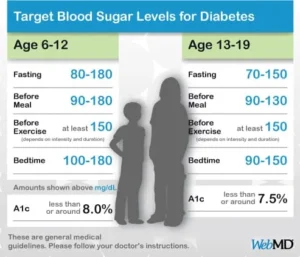
📊 Diagnostic criteria (ADA):
- Fasting Blood Glucose: 100–125 mg/dL
- HbA1c: 5.7%–6.4%
If left unaddressed, prediabetes can progress into type 2 diabetes, along with increased risks of heart disease, fatty liver, and polycystic ovarian syndrome (PCOS) in girls.
 🚨 Why Is Prediabetes in Teens Increasing?
Key Factors:
- Ultra-processed diets (high in sugar, refined carbs, and trans fats)
- Lack of physical activity (screen time replacing movement)
- Childhood obesity (now affecting over 20% of U.S. teens)
- Family history of diabetes
- Poor sleep and high stress levels (hormonal imbalance)
⚠️ Early Warning Signs of Prediabetes in Adolescents
Unlike full-blown diabetes, prediabetes often shows subtle or no symptoms. However, parents and teens should watch for these red flags:
- Increased thirst or frequent urination
- Unusual fatigue or daytime sleepiness
- Dark, velvety skin patches (acanthosis nigricans)
- Unexplained weight gain or loss
- Irritability or mood swings
- Frequent hunger or sugar cravings
Note: A simple blood test can confirm the diagnosis.
 🩻 Health Risks of Untreated Prediabetes in Teens
If ignored, prediabetes can lead to:
- Type 2 diabetes (often by early adulthood)
- Cardiovascular issues (high cholesterol, high BP)
- Liver disease (non-alcoholic fatty liver)
- Depression and self-esteem problems
- Polycystic ovary syndrome (PCOS) in adolescent girls
- Sleep apnea and breathing disturbances
🛡️ How to Reverse Prediabetes Naturally in Teenagers
The good news? Prediabetes is reversible — especially in the teenage years when metabolism is still flexible.
✅ Lifestyle Interventions:
- Adopt a low-glycemic diet: Focus on whole grains, fiber, lean protein, and healthy fats
- Limit sugar-sweetened beverages and snacks
- Exercise at least 60 minutes daily (sports, dancing, brisk walks)
- Establish a consistent sleep routine (8–10 hours for teens)
- Manage stress through yoga, journaling, or therapy
- Limit screen time to under 2 hours/day
🧪 Medical Support and Monitoring
While lifestyle changes are the first line of defense, medical guidance is essential:
- Annual blood sugar screenings for at-risk teens
- Pediatric endocrinology consults in persistent cases
- Nutritional counseling with registered dietitians
- Tracking HbA1c and lipid profile every 3–6 months
- Medications (e.g., metformin) only when lifestyle fails — not first-line
👨👩👧 For Parents: What You Can Do
- Lead by example: Healthy habits start at home
- Do not shame: Approach weight and health issues sensitively
- Cook together: Teach teens how to make better food choices
- Be involved: Monitor food intake, activity, and screen time
- Schedule check-ups: Don’t wait for symptoms
📌 Final Takeaway
Prediabetes in teens is not a lifetime sentence — it’s a warning sign. Early intervention through diet, activity, and education can completely reverse the condition and prevent lifelong complications. Empowering young people with knowledge and support is the key to building a healthier future.
📚 References
- Centers for Disease Control and Prevention (CDC)
- American Diabetes Association (ADA)
- National Institute of Diabetes and Digestive and Kidney Diseases (NIDDK)
- Mayo Clinic Guideline